
Products/Services
Waterproofing Products
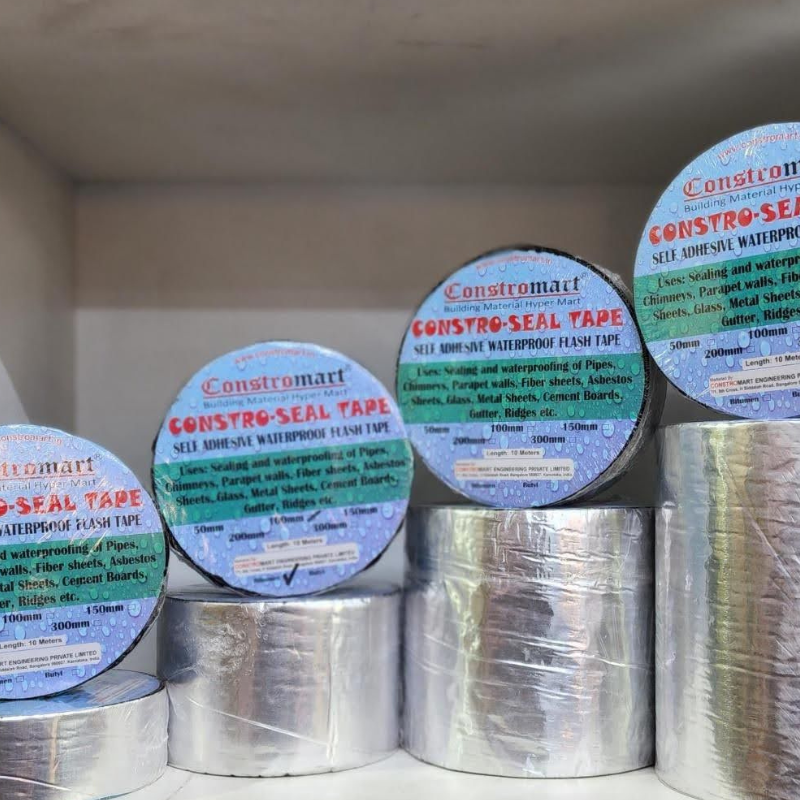
Constroseal Tape
Constroseal Tape is a self-adhesive bituminous tape with an aluminum foil top layer, designed to effectively seal and arrest leakages in various applications such as asbestos roofing sheets, metal roofing sheets, ducts, gutters, pipes, and chimneys. With a thickness of 1.5mm, Constroseal Tape offers reliable waterproofing and sealing properties.
Self-adhesive: Simplifies application process, ensuring ease of use and efficient installation.
Bituminous Composition: Provides excellent waterproofing properties, enhancing durability and longevity.
Aluminum Foil Top Layer: Offers additional protection against weathering and UV degradation, enhancing resistance to external elements.
Versatile Application: Suitable for a wide range of surfaces including asbestos roofing sheets, metal roofing sheets, ducts, gutters, pipes, and chimneys.
Thickness: 1.5mm
Available Widths: 50mm, 100mm, 150mm, 200mm
Asbestos Roofing Sheets: Sealing and repairing leaks and cracks in asbestos roofing structures.
Metal Roofing Sheets: Providing a reliable seal to prevent water ingress and leakages in metal roofing systems.
Ducts: Ensuring airtight seals in HVAC ductwork to prevent air leakage and maintain system efficiency.
Gutters: Sealing joints and gaps in gutter systems to prevent water seepage and potential damage.
Pipes: Repairing leaks and providing waterproofing solutions for various piping systems.
Chimneys: Sealing gaps and cracks in chimney structures to prevent water ingress and maintain structural integrity.
Ensure the surface is clean, dry, and free from any dust or debris.
Measure and cut the Constroseal Tape to the desired length, allowing for overlap at joints and corners.
Remove the protective backing from the tape to expose the adhesive side.
Apply the tape firmly to the surface, starting from one end and gradually pressing down to ensure proper adhesion.
Use a roller or hand pressure to firmly bond the tape to the surface, ensuring there are no air pockets or wrinkles.
For best results, apply additional pressure along the edges and seams to ensure a tight seal.
Store in a cool, dry place away from direct sunlight and heat sources.
Avoid prolonged exposure to extreme temperatures.
Handle with care to prevent damage to the tape.
Keep the product away from open flames or ignition sources.
Wear appropriate protective gear such as gloves and safety glasses during installation.
Avoid contact with skin and eyes. In case of contact, rinse immediately with plenty of water and seek medical advice if irritation persists.
Keep out of reach of children and pets.
The information provided in this technical data sheet is based on our current knowledge and is intended for guidance only. Proper surface preparation and installation techniques are essential for achieving optimal results. We recommend conducting a small-scale test application before full-scale installation to ensure compatibility and suitability for the intended use. We cannot accept liability for any damages or losses resulting from the use of this product.
Constroseal SBS Membrane
CONSTROSEAL SBS Membrane is a self-adhesive membrane manufactured with bituminous selected mastic modified with high-performance SBS polymers, incorporating an aluminum oil top layer. Designed for superior waterproofing and sealing properties, this membrane is specifically engineered to arrest leakages in various applications, including asbestos roofing sheets and metal roofing sheets.
Self-Adhesive: Facilitates easy application, ensuring efficient and hassle-free installation.
Bituminous Mastic: Provides excellent waterproofing characteristics, enhancing durability and long-term performance.
High-Performance SBS Polymers: Offers superior flexibility and elongation properties, ensuring reliable sealing even in dynamic conditions.
Aluminum Oil Top Layer: Provides additional protection against UV radiation and weathering, enhancing resistance to external elements.
Thickness: 1.5mm
Width: 1 meter
Length: 10 meters
Asbestos Roofing Sheets: Effective sealing and repair of leaks and cracks in asbestos roofing structures.
Metal Roofing Sheets: Provides a robust waterproofing solution for metal roofing systems, preventing water ingress and leakages.
Other Roofing Applications: Suitable for various roofing substrates where a reliable waterproofing membrane is required.
Construction Joints: Ideal for sealing construction joints and gaps to prevent water penetration.
Flashing Details: Ensures watertight sealing around protrusions, vents, and other flashing details on roofs.
Waterproofing Foundations: Provides a durable waterproofing layer for foundation walls and below-grade applications.
Prepare the substrate by ensuring it is clean, dry, and free from dust, debris, and any loose materials.
Unroll the CONSTROSEAL SBS Membrane onto the prepared surface, starting from one end.
Remove the protective release liner gradually while firmly pressing the membrane onto the substrate, ensuring proper adhesion.
Use a roller or hand pressure to ensure uniform contact and remove any air bubbles or wrinkles.
Overlap adjoining membrane sheets by a minimum of 50mm to ensure continuity of the waterproofing layer.
Apply additional pressure along seams and edges to ensure a watertight seal.
For vertical applications, ensure proper support and anchoring of the membrane to prevent sagging or displacement.
Trim any excess membrane as necessary using a sharp utility knife.
Store the membrane in a cool, dry place away from direct sunlight and heat sources.
Protect the membrane from prolonged exposure to UV radiation and extreme temperatures.
Handle the membrane with care to avoid damage to the surface and edges.
Avoid bending or folding the membrane excessively to prevent creasing or damage to the adhesive layer.
Wear appropriate personal protective equipment (PPE), including gloves and safety glasses, during installation.
Ensure adequate ventilation in enclosed spaces to minimize exposure to vapors from bituminous materials.
Avoid direct contact with skin and eyes. In case of contact, rinse immediately with plenty of water and seek medical advice if irritation persists.
Keep out of reach of children and pets.
The information provided in this technical data sheet is based on our current knowledge and is intended for guidance only. Proper surface preparation and installation techniques are essential for achieving optimal results. We recommend conducting a small-scale test application before full-scale installation to ensure compatibility and suitability for the intended use. We cannot accept liability for any damages or losses resulting from the use of this product.
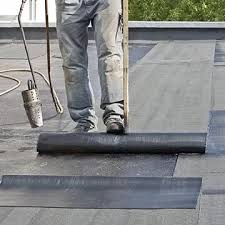
Constroseal TS Tape
Constroseal TS TAPE is a self-adhesive bituminous twin-side tape designed specifically for sealing metal roofing sheet joints. With its advanced adhesive properties and durable construction, Constroseal TS TAPE provides a reliable solution for sealing joints effectively, ensuring long-lasting protection against moisture and weather elements.
- Thickness: 1.5mm
- Width: Available in 25mm and 225mm options
- Length: 10 meters
**Self-Adhesive:** Constroseal TS TAPE features a strong adhesive on both sides, ensuring secure adhesion to metal roofing sheets without the need for additional adhesives.
**Bituminous Construction:** The tape is made from high-quality bituminous materials, providing excellent waterproofing and weatherproofing properties to protect joints against moisture infiltration.
**Twin-Side Design:** With adhesive on both sides, Constroseal TS TAPE creates a tight seal along metal roofing sheet joints, preventing water ingress and enhancing the overall integrity of the roofing system.
**Durable:** Engineered to withstand harsh environmental conditions, Constroseal TS TAPE offers durability and longevity, maintaining its sealing effectiveness over an extended period.
**Versatile Application:** Suitable for various metal roofing applications, including industrial, commercial, and residential projects, Constroseal TS TAPE provides versatile sealing solutions for different joint configurations and roofing profiles.
- Metal roofing sheet joints
- Roof repairs and maintenance
- Industrial, commercial, and residential roofing projects
1. Ensure the surface is clean, dry, and free from dust, debris, and oil.
2. Cut the Constroseal TS TAPE to the desired length, allowing for a slight overlap at the joints.
3. Peel off the protective backing and apply the tape firmly to the joint, ensuring full contact with the surface.
- Store Constroseal TS TAPE in a cool, dry place away from direct sunlight and heat sources.
- Handle with care to avoid damage to the adhesive surface.
- Use protective gloves when handling the tape to prevent contact with skin.
Non Woven Geotextile
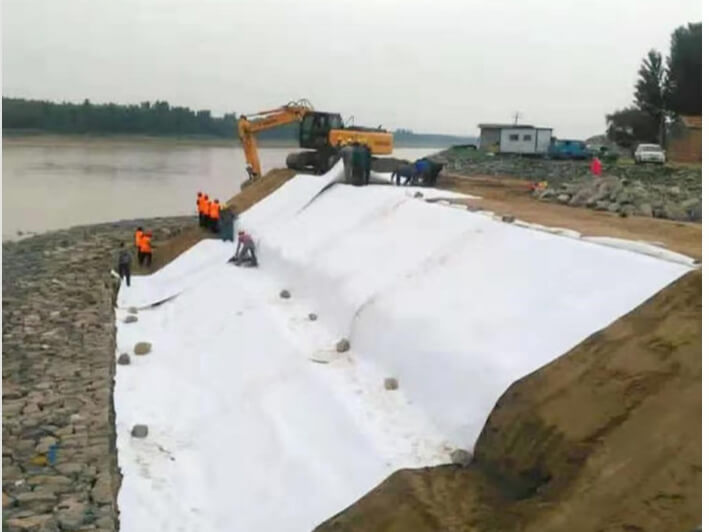
Non-Woven Geotextile Fabric
Non-Woven Geotextile Fabric
70 gsm, 100 gsm, 120 gsm, 150 gsm, 200 gsm, 300 gsm, 500 gsm
Composition: Polypropylene or polyester fibres bonded together by heat treatment or needle punching.
Thickness: Varies according to GSM, ranging from lightweight to heavy-duty.
Tensile Strength: High tensile strength to withstand stress during installation and use.
Permeability: Allows water to pass through while retaining soil particles.
UV Resistance: Resistant to degradation from ultraviolet (UV) exposure, ensuring long-term durability.
Chemical Resistance: Resistant to commonly encountered chemicals in soil and water environments.
Applications:
Waterproofing: Used as a barrier to prevent water seepage in various civil engineering applications such as road construction, dams, canals, and retaining walls.
Filtration: Acts as a filtration layer to separate different soil layers, prevent clogging of drainage systems, and enhance the performance of drainage solutions.
Pond Lining: Provides an impermeable layer for pond liners, ensuring water retention and preventing seepage into the surrounding soil.
Landscaping: Used as a stabilizing layer for slopes, embankments, and landscaping projects to prevent erosion and soil movement.
Terrace Gardening: Facilitates drainage in terrace gardening setups, preventing waterlogging and promoting healthy plant growth.
Surface Preparation: Ensure the surface is clean, smooth, and free from any debris or sharp objects that may puncture the geotextile.
Placement: Lay the geotextile fabric smoothly over the prepared surface, ensuring there are no wrinkles or folds.
Overlap Seams: Overlap adjoining sheets by a minimum of 12 inches (30 cm) and secure them in place using appropriate fastening methods.
Anchoring: Secure the geotextile in place using anchor pins or other suitable methods to prevent movement during backfilling or subsequent construction activities.
Protection: Protect the geotextile from prolonged exposure to sunlight and mechanical damage during installation.
Storage: Store the geotextile rolls in a dry, covered area away from direct sunlight and moisture to prevent degradation.
Handling: Handle the rolls with care to avoid tearing or puncturing the fabric during transportation and installation.
Fibre Mesh
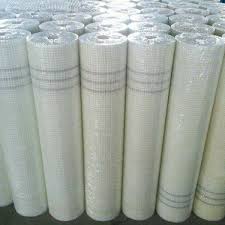
Fibre Mesh
Fibre Mesh
45 gsm, 80 gsm
Composition: High-density polyethylene (HDPE) or polypropylene (PP) fibers woven into a mesh structure.
Mesh Size: Varies depending on the product specification, typically available in standard mesh sizes suitable for reinforcement applications.
Thickness: Thin and lightweight, allowing for flexibility and ease of installation.
Tensile Strength: High tensile strength to provide reinforcement and structural integrity in various applications.
Flexibility: Flexible and conformable to irregular surfaces for uniform reinforcement.
Chemical Resistance: Resistant to degradation from chemicals commonly encountered in construction materials and environments.
Applications:
Reinforcement in Waterproofing Treatment: Used as a reinforcing layer in waterproofing systems to enhance durability and resistance to cracking and deformation.
Plastering: Provides reinforcement for plastering applications, reducing the risk of cracking and improving the overall strength and stability of the plaster layer.
Joint Reinforcement: Used to reinforce joints in construction materials such as concrete, masonry, and drywall, minimizing the likelihood of cracking and improving long-term durability.
Surface Preparation: Ensure the surface is clean, dry, and free from any debris or contaminants that may affect adhesion.
Application of Adhesive: Apply a suitable adhesive or bonding material evenly over the surface where the fibre mesh will be installed.
Placement: Place the fibre mesh onto the adhesive, ensuring it is properly positioned and flattened to remove any wrinkles or air pockets.
Embedding: Use a roller or trowel to embed the fibre mesh into the adhesive, ensuring good contact and uniform coverage.
Overlap Seams: Overlap adjoining pieces of fibre mesh by a minimum of 2 inches (5 cm) and ensure proper integration to maintain continuity of reinforcement.
Storage: Store the fibre mesh rolls in a dry, covered area away from direct sunlight and moisture to prevent degradation.
Handling: Handle the rolls with care to avoid tearing or stretching the mesh during transportation and installation.
Protection: Protect the fibre mesh from exposure to harsh weather conditions and mechanical damage during storage, handling, and installation.
Water Stopper
PVC Water Stopper
PVC Water Stopper
150 mm
225 mm
300 mm
Polyvinyl chloride (PVC) compound, formulated for excellent flexibility and durability in water containment applications.
High Flexibility: Designed to accommodate joint movements and deformations while maintaining a watertight seal.
Chemical Resistance: Resistant to corrosion from water, chemicals, and other aggressive substances commonly found in water retaining structures.
Durable: Engineered for long-term performance in demanding environments, ensuring reliable sealing and protection against water ingress.
Ease of Installation: Designed for easy and efficient installation, reducing labor time and costs.
Water Retaining Structures: Provides a watertight seal in joints of concrete structures such as reservoirs, dams, water tanks, and canals.
Swimming Pools: Used to seal joints and expansion gaps in swimming pool construction, ensuring a waterproof barrier and preventing leakage.
Basements and Foundations: Suitable for use in basements and foundation walls to prevent water seepage and dampness.
Surface Preparation: Ensure the joint surfaces are clean, dry, and free from any debris, oil, or contaminants.
Application of Adhesive: Apply a suitable adhesive or bonding agent to the joint surfaces to ensure proper adhesion.
Placement: Position the PVC water stopper into the joint, ensuring it fits snugly and uniformly along the entire length.
Fixing: Secure the water stopper in place using mechanical fasteners or clamps, if required, to prevent movement during concrete pouring.
Sealing: Apply pressure to ensure the water stopper is fully embedded in the concrete and forms a tight seal.
Joint Protection: Protect the exposed portion of the water stopper during construction to prevent damage from debris or accidental impact.
Store PVC water stoppers in a cool, dry place away from direct sunlight, heat, and moisture.
Handle with care to avoid bending, twisting, or damaging the water stopper during transportation and storage.
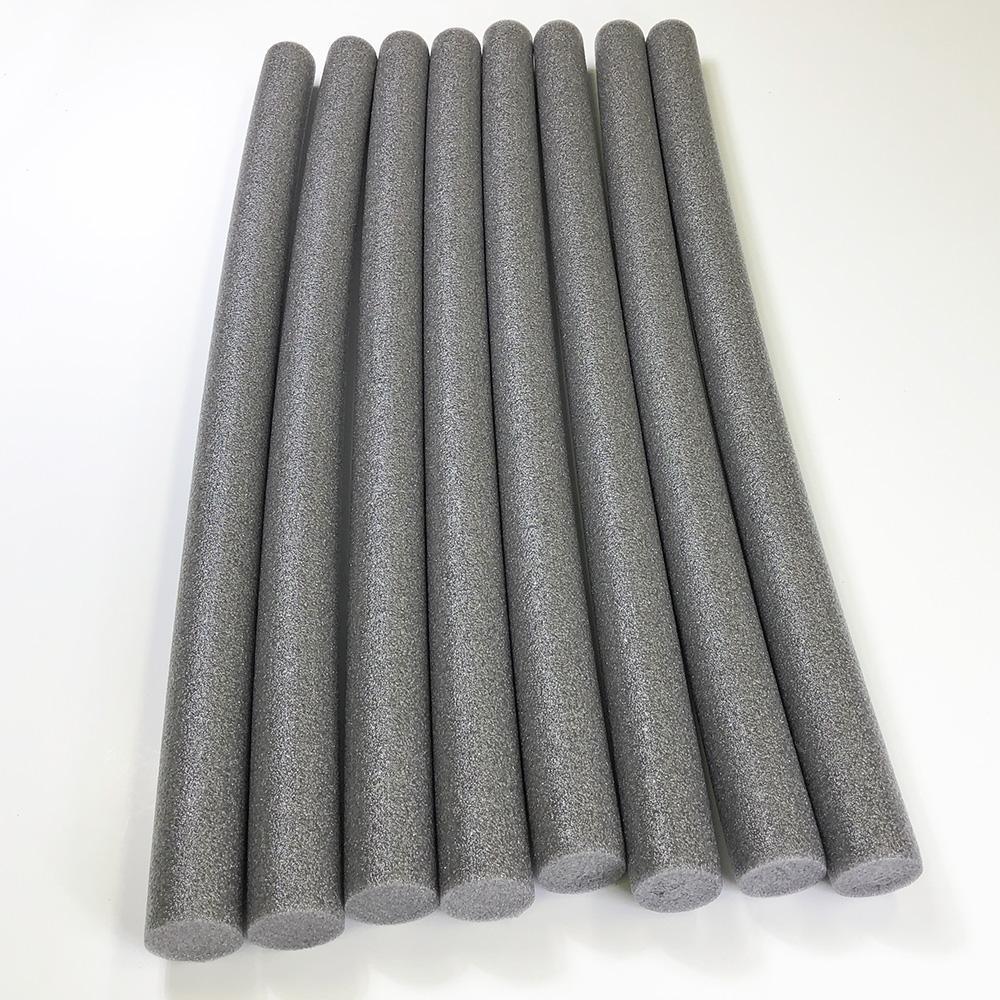
Backer Rod
Backer Rod
Backer Rod
Closed-cell polyethylene foam
Various diameters ranging from 6mm, 8mm, 10mm, 12mm, 15mm 20mm, 25mm 30mm, 40mm 50mm)
Closed-Cell Structure: The closed-cell polyethylene foam structure provides excellent resistance to water absorption, making it suitable for use in both wet and dry applications.
Flexibility: Baker Rod is highly flexible and compressible, allowing it to conform to irregular joint surfaces and effectively fill voids and gaps.
Chemical Resistance: Resistant to most chemicals encountered in construction and building materials, ensuring long-term durability and stability.
Compression Recovery: Exhibits excellent compression recovery properties, maintaining its original shape and sealing effectiveness over time.
Non-Staining: Will not stain or discolour surrounding materials, ensuring a clean and aesthetically pleasing finish.
Construction Joints: Used to fill construction joints in concrete structures such as foundations, slabs, walls, and precast elements to prevent the infiltration of water, debris, and other contaminants.
Expansion Joints: Ideal for filling expansion joints in concrete pavements, bridges, highways, and other structures to accommodate thermal expansion and contraction while maintaining a watertight seal.
Waterproofing: Used as a backup material in conjunction with sealants and waterproofing membranes to provide additional protection against water intrusion in building envelope systems.
Seismic Joints: Applied in seismic joint assemblies to absorb movement and accommodate structural shifts during seismic events, reducing the risk of damage and ensuring structural integrity.
Preparation: Ensure the joint surfaces are clean, dry, and free from dust, debris, and contaminants that may affect adhesion and performance.
Sizing: Select the appropriate diameter of Baker Rod based on the width and depth of the joint, allowing for a snug fit without excessive compression.
Insertion: Insert the Baker Rod firmly into the joint, ensuring it is centered and extends slightly below the surface to accommodate sealant application.
Sealant Application: Apply a compatible sealant over the Baker Rod to create a flexible and durable seal, ensuring complete coverage and adhesion to the joint surfaces.
Tooling: Tool the sealant to ensure proper adhesion and smooth finish, removing any excess material and creating a neat and uniform seal.
Store Baker Rod in a cool, dry place away from direct sunlight and heat sources to prevent deformation and degradation.
Handle with care to avoid damage to the foam structure during transportation, storage, and installation.
Safety Precautions:
Wear appropriate personal protective equipment (PPE) such as gloves and eye protection when handling Baker Rod and sealants.
Follow manufacturer's instructions and guidelines for safe handling, storage, and installation.
The information provided in this technical data sheet is for general guidance purposes only. Users are advised to consult with a qualified engineer or contractor for specific project requirements and recommendations. Manufacturer's recommendations and guidelines should be followed during installation and use.
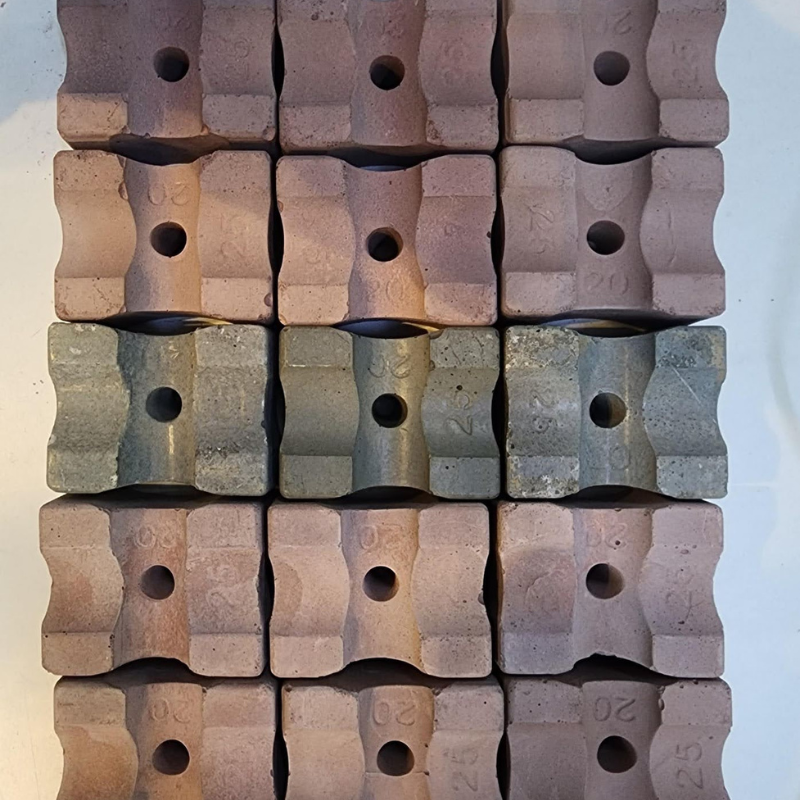
Concrete Cover Block
Cover blocks are used to ensure that reinforcing bars or rebars are put into the concrete at the proper depth. In order to preserve the rebar from environmental variables including weathering, erosion and corrosion, the proper depth is crucial.
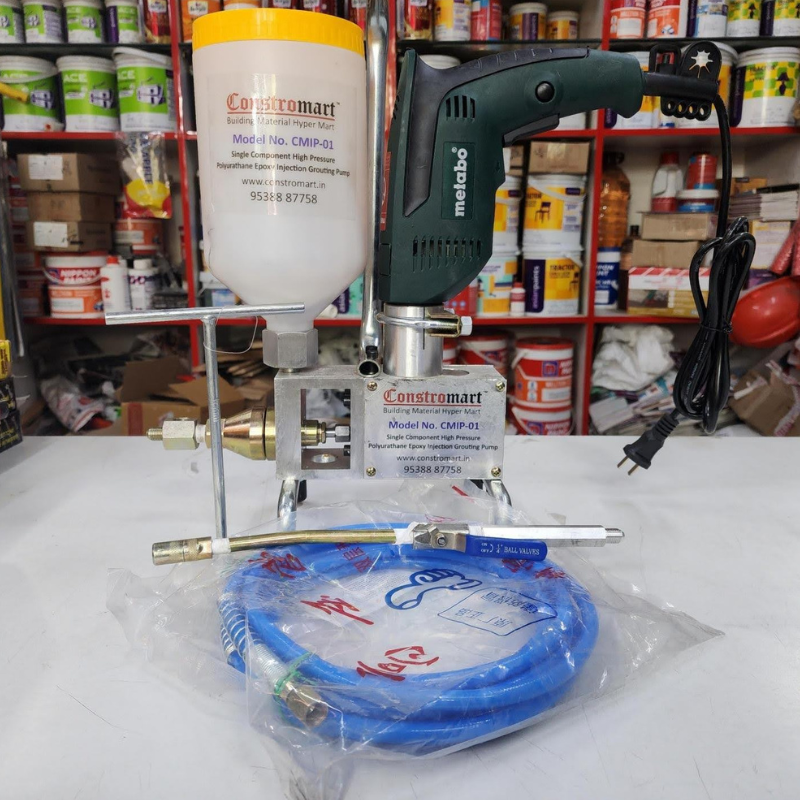
Injection Grouting Machine
PU grouting is a technique that involves the injection of expanding polyurethane to stop any water flowing down or through cracks or to fill voids under slabs, concrete joints or behind concrete walls and joints. We have specialized pumps for injecting PU & Epoxy resins.
Other Products
Shuttering Material
Ghugu bolts
Wing nut
Water Barrier
Tie rods
Shuttering Plywood
MS Nails
SS Nails

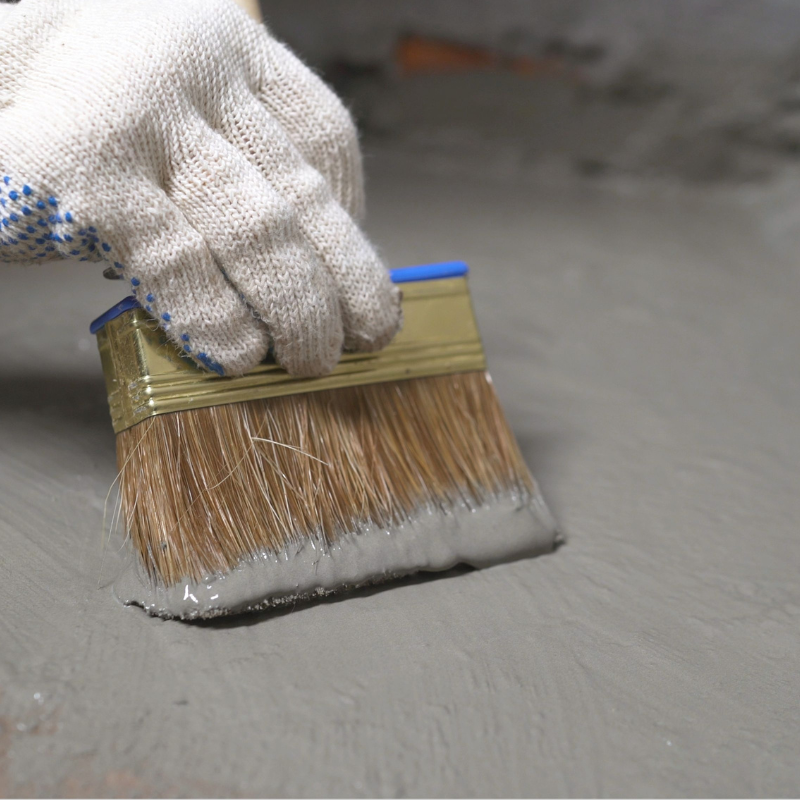
Waterproofing Aid Tools
Epoxy/ Pu Injection Grouting Machine
Packers
Selant Gun
Membrane Roller
LPG Torch Burner
Moisture Meter
Angle Grinder
Brushes
LDPE Sheet
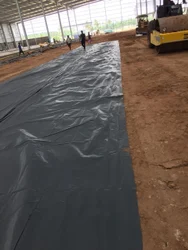
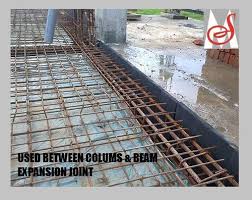
Expansion Joint Filler Board
- Constroboard HD 100
Civil testing equipment
- Cube mold
- Slump cone
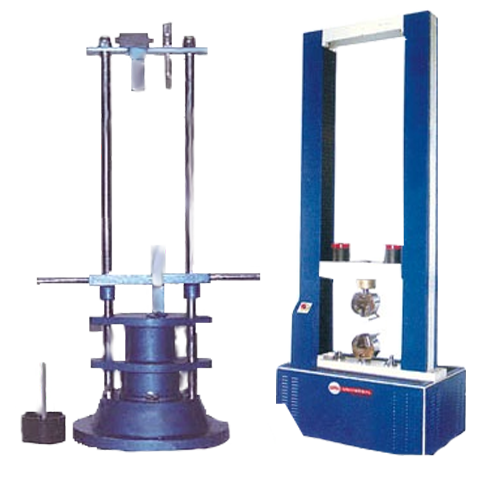
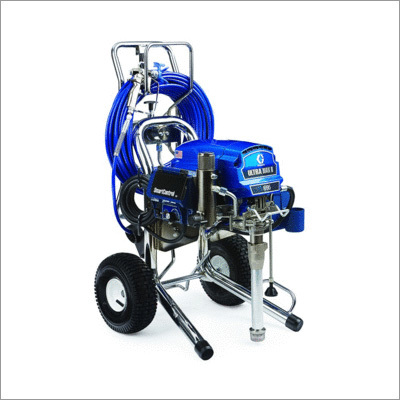
Airless Paint Sprayer
Measurement & Survey equipment’s

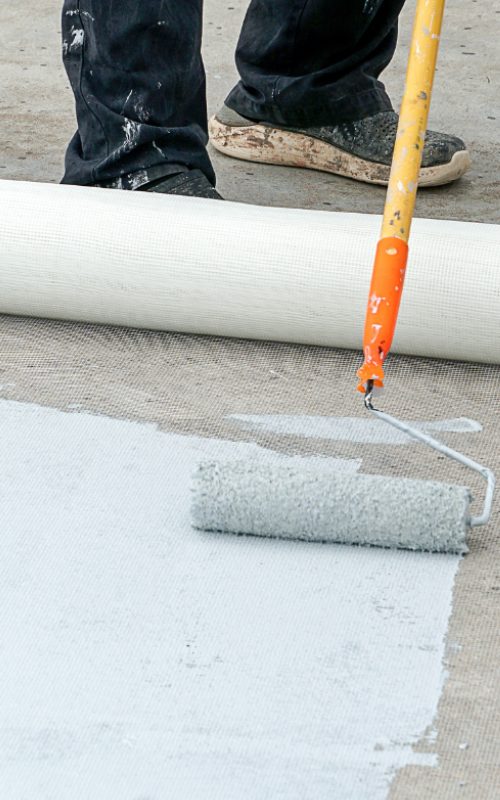
Flooring
Epoxy Flooring
Polyurethane flooring
ESD / Antistatic Flooring